Hotline: (+84) 8 43 42 8888


This assembly hall was built by Chinese overseas coming f-rom Trieu Chau (China) in 1845. It is dedicated to the God of Wind and Big Waves.

This house was built in the late 19 century. The ancestors of the owner is a U.S. trader. In particular, the interior decoration were an combination of Vietnames, Chinese and Japanese style.
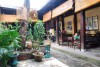
Duc An old house at 129 Tran Phu st, it isn’t overrun with travellers or souvenir sellers. Its owner, Mr Phan Ngoc Tram - a direct descendant of the founding family - claims that’s because he dislike other historic house owners, he has resisted the temptation to give over his floorspace to souvenir selling.
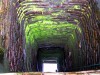
Bale well is one of the few old wells in Vietnam - as old as a thousand years - and still attracts the attention of the local people, who have loved, protected, respected and even worshiped it over the years.
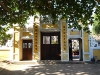
This communal house is considered as the religious architecture of Minh Huong People - Chinese people obtained Vietnamese citizenship in order to worship heroic ancestors.
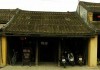
Quan Thang is currently seen as one of the nicest ancient houses in Hoi An. It is over 150 year old and carries the architecture style of Hoa Ha, China. Throughout the years, the style as well as interior decoration of the house has been lovingly preserved. That helps us at least partly imagine the lifestyle of its generations of owners, who belonged to the merchant class in Hoi An in the past.
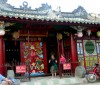
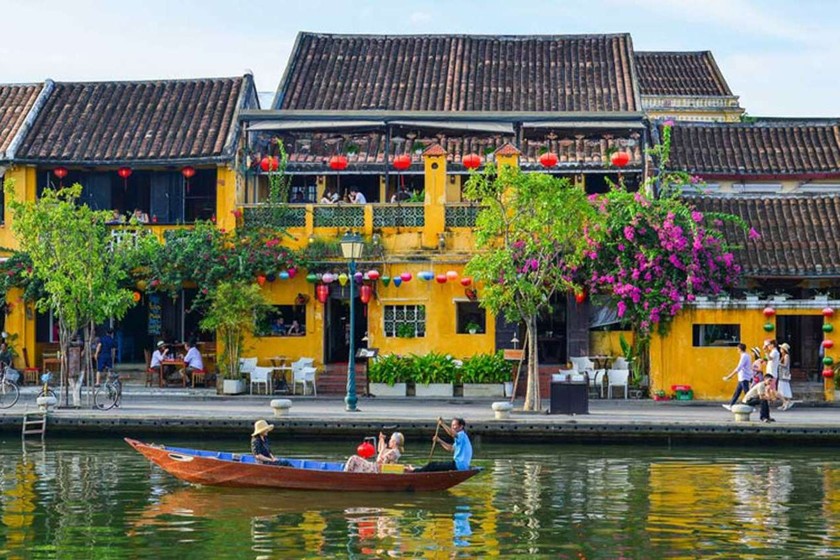
The small fishing town of Hoi An situated on the banks of the Thu Bon River, is a quiet place that affords its visitors ample scope for relaxation. The town’s other claim to fame is its many pagodas and shrines. Of them is the Ong Pagoda in Hoi An. The Ong Pagoda like most other pagodas in the region is a place engaged in not just a place of worship and meditation, but also a cultural hub, preserving the heritage of the land. The Ong Pagoda is also popularly called the “Chua Ong Pagoda”.
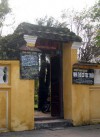
The Tran Family Home and Chapel, Hoi An is one of those chapels in Hoi An, Vietnam that belong to the early nineteenth century. The chapel is a reflection of Vietnamese aristocracy and it also bears cultural and traditional values in it. To the visitors, The Tran Family Home and Chapel is a famous tourist attraction. People f-rom all over the world come to visit this chapel.

The Quang Trieu (Cantonese) Assembly Hall, Hoi An is one of the most famous historical buildings in Hoi An, Vietnam. Along with the historical significance, the hall is also a popular tourist attraction in the small town of Hoi An. While touring the town you must visit this Quang Trieu (Cantonese) Assembly Hall to get the pleasure of viewing this architectural heritage of Vietnam.
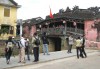
The Japanese Covered Bridge in Hoi An is one of the famous tourist attractions in Hoi An, Vietnam. The original Vietnamese name of this bridge is “Lai Vien Kieu”. The word can be interpreted as “Pagoda in Japan”. It is considered that the Japanese Covered Bridge, Hoi An is a possession of the Japanese community of Hoi An.

Among the various popular assembly halls in Hoi An, Vietnam, the Fukian Assembly Hall (Phuc Kien), Hoi An is the exceptional one. Hoi An is a small town in Vietnam that is full of excitements and tourist attractions. You must visit this assembly hall to encounter an excellent work of architecture that is also considered as a heritage of historical significance.
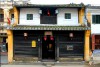
The name Old House of Tan Ky itself suggests that the building is one of the remotest historical buildings in Hoi An. The age of the old house is approximately a couple of centuries. The old house reflects the combination of both Japanese and Chinese architectural geniuses. So while visiting the small town Hoi An, in Vietnam, you must also visit this Old House of Tan Ky to encounter great historical and cultural significance of Vietnam.
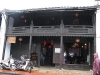
Hoi An is a beautiful town in Vietnam. While traveling in Goi An, you will get to see various beautiful historical buildings and many other tourist attractions. The Old House of Phung Hung, Hoi An is one of the most famous architectural buildings hat are considered to be the cultural heritage of hoi An. Visit this ancient home in Hoi An and enjoy the old-world c-harm.
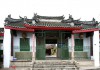
Trung Hoa Assembly Hall is at 64 Tran Phu Street, right of Phuoc Kien Pagoda. Established in 1741, it was then called Duong Thuong Assembly Hall. However, many people think that it was built in the 15th century. Anyway, it is also one of the oldest assembly halls in Hoi An. It was the home of Chinese immigrants and dedicated to Thien Hau Holy Mother.